

THE LIBRARY
THE LIBRARY
Some problems are easier to solve once you can see what you’re looking at.
Organisations are complicated. One problem can look like ten. Symptoms get mistaken for causes. Sensible decisions accumulate in ways nobody intended.
But the same things happen surprisingly often. I’ve collected them here as Patterns, Rational-Lies and Laws. Not to give everything a label, but because having language for something can make it much easier to see.
You don’t need to know where to start. Start with something you recognise.
Start with what you’re seeing.
SOUNDS FAMILIAR? START HERE.
We keep starting things, but nothing seems to get finished: the Starting Illusion →
Everything depends on the same few people: the Dependency Spiral →
Everyone is incredibly busy, but progress is painfully slow: the Velocity Trap →
We keep fixing problems, but they keep coming back: the Superficial Diagnosis Loop →
The people at the top and the people doing the work seem to be seeing different things: the Context Gap → the Filtered Signal →
We agree on the strategy, but everyday decisions keep pulling us in different directions: the Vision Vacuum → the Alignment Mirage →
SEARCH THE LIBRARY
Search the library, or describe what’s happening in your organisation.
You don’t need to know what I call it. Search for what you’re experiencing.
EXPLORE THE LIBRARY
Follow your curiosity
There is no right order.
Start with something that sounds familiar, something you disagree with, or simply something that makes you wonder what it means.
There are three types of library entries: patterns, rational-lies and universal laws.

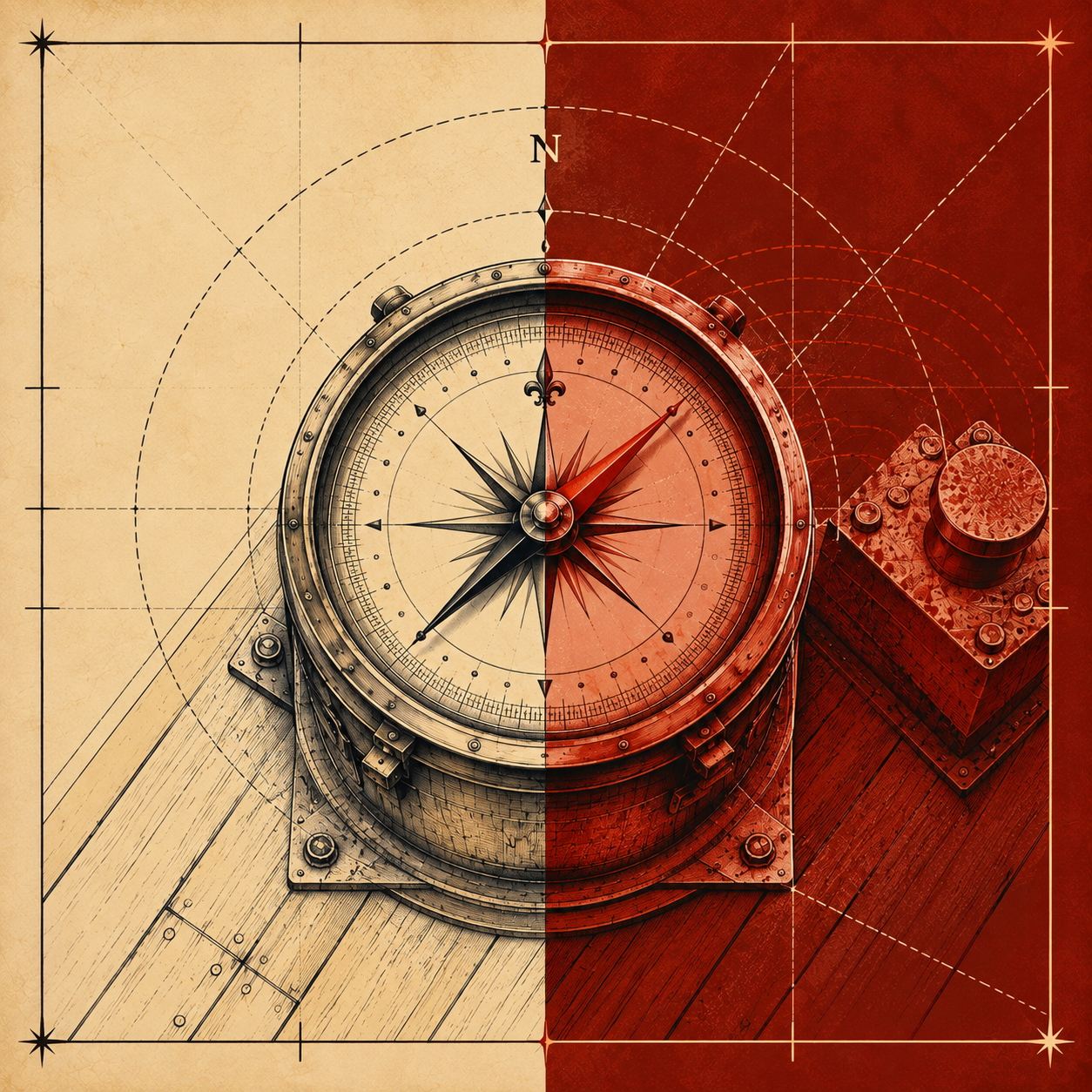
PATTERNS
Spot something you’ve seen before, and how it applies to you.
Things that happen often enough to recognise, once you know what you’re looking for.
RATIONAL-LIES
Question the explanation that makes perfect sense.
Things we tell ourselves for good reason, but which stop us looking a little further.

UNIVERSAL LAWS
See why some problems keep happening.
Simple ideas that explain why certain choices produce surprisingly predictable consequences.
Browse the library

The Law of Displaced Diagnosis
Problems tend to be diagnosed where they become visible, not where the conditions producing them began.

The Law of Insulation
The more power you have to change an organisation, the less of its friction you experience yourself.


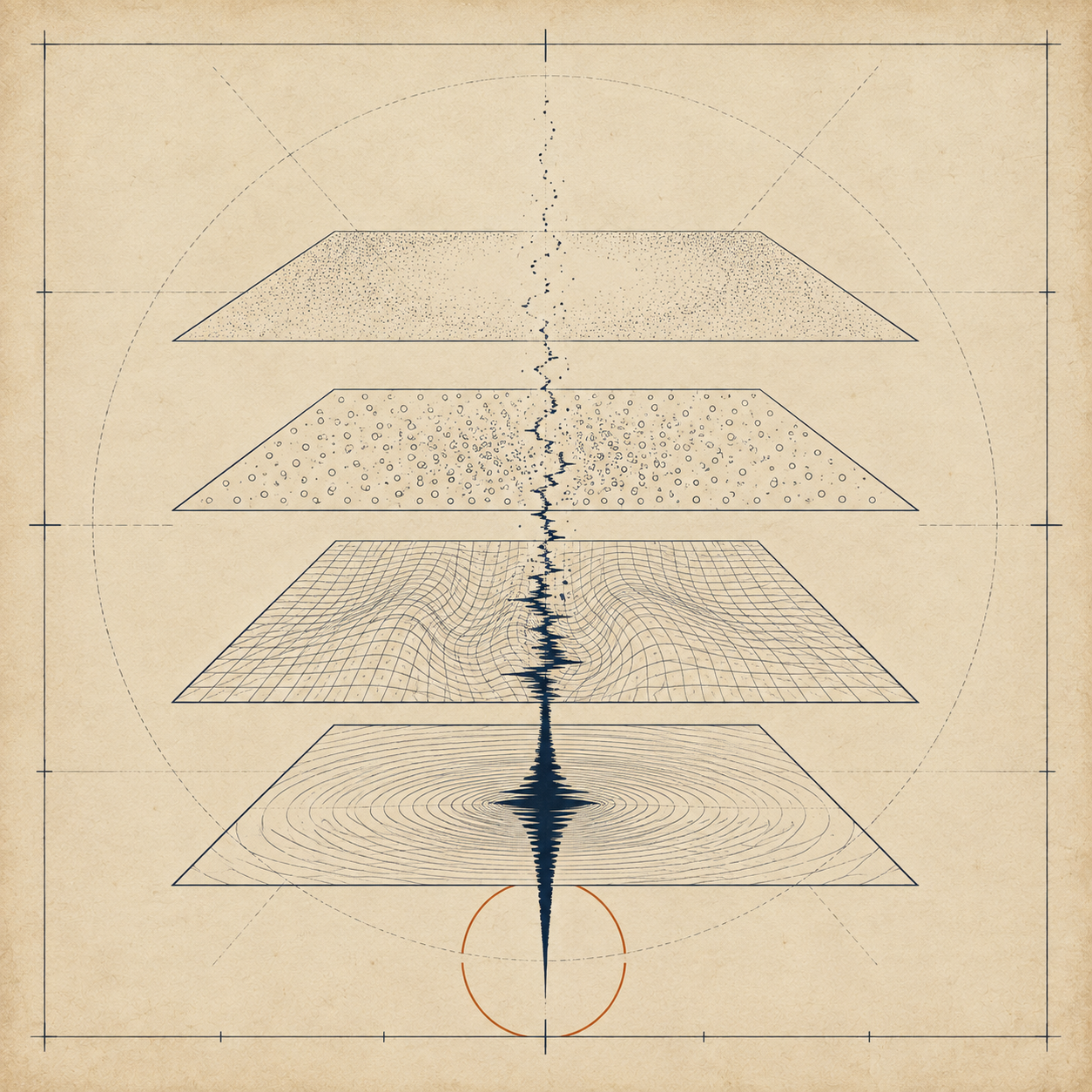
The Filtered Signal
The further decision-makers are from the work, the more they depend on information travelling accurately towards them.
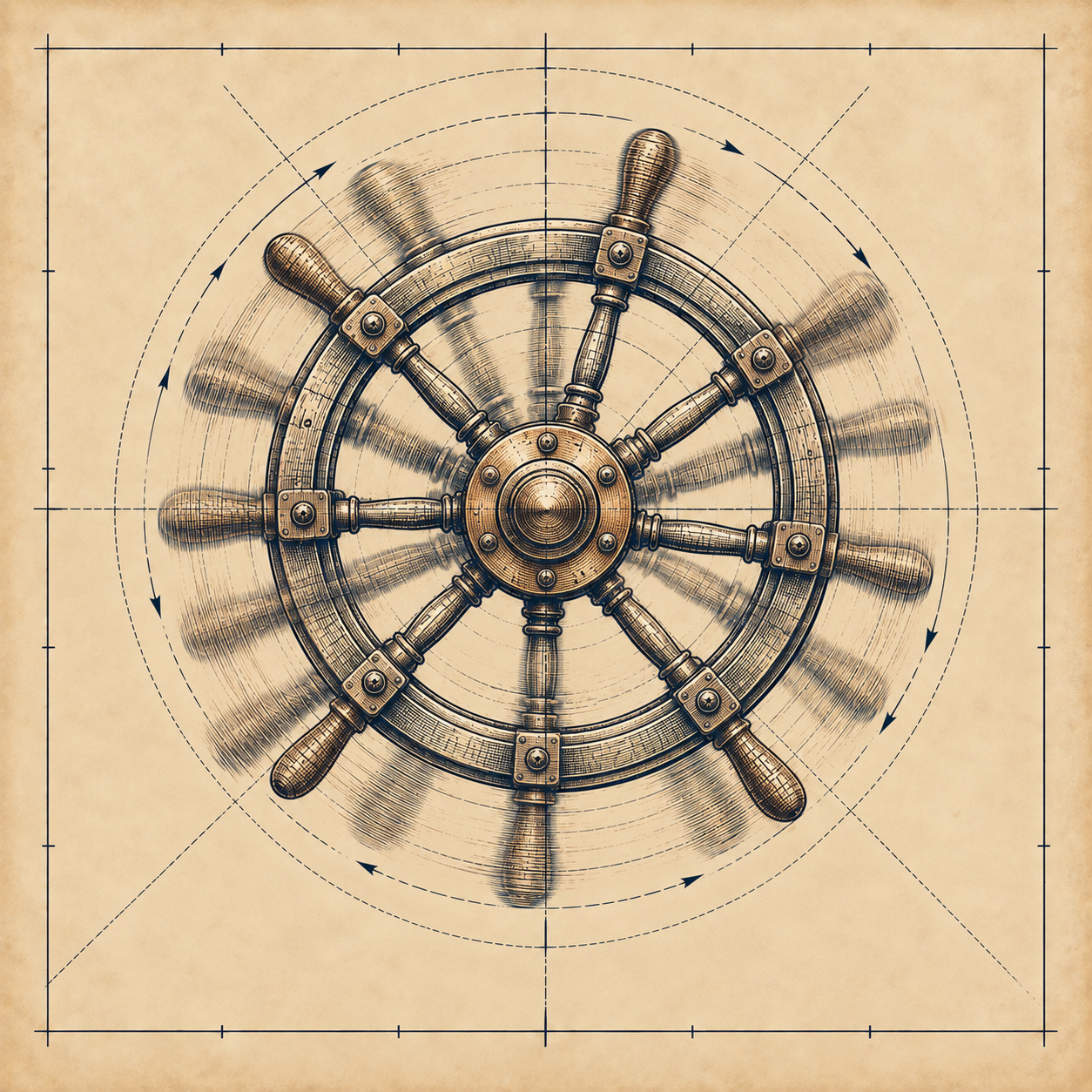
The Velocity Trap
When everything needs to move faster at once, an organisation can become incredibly busy while making surprisingly little progress.

The Alignment Mirage
People at the top can appear completely aligned while working from different assumptions about what matters, what is true and what has actually been agreed.

Organisational Debt
Unfinished decisions, temporary fixes and half-completed changes don’t disappear. They quietly become part of the cost of running the organisation.

The Starting Illusion
When everything can start but very little seems to finish, starting itself may have become part of the problem.

The Vision Vacuum
A strategy can be perfectly clear at the top and still leave hundreds of people making sensible decisions that pull the organisation in different directions.

The Superficial Diagnosis Loop
The problem you can see may be completely real. That doesn’t mean you’ve found the thing causing it.
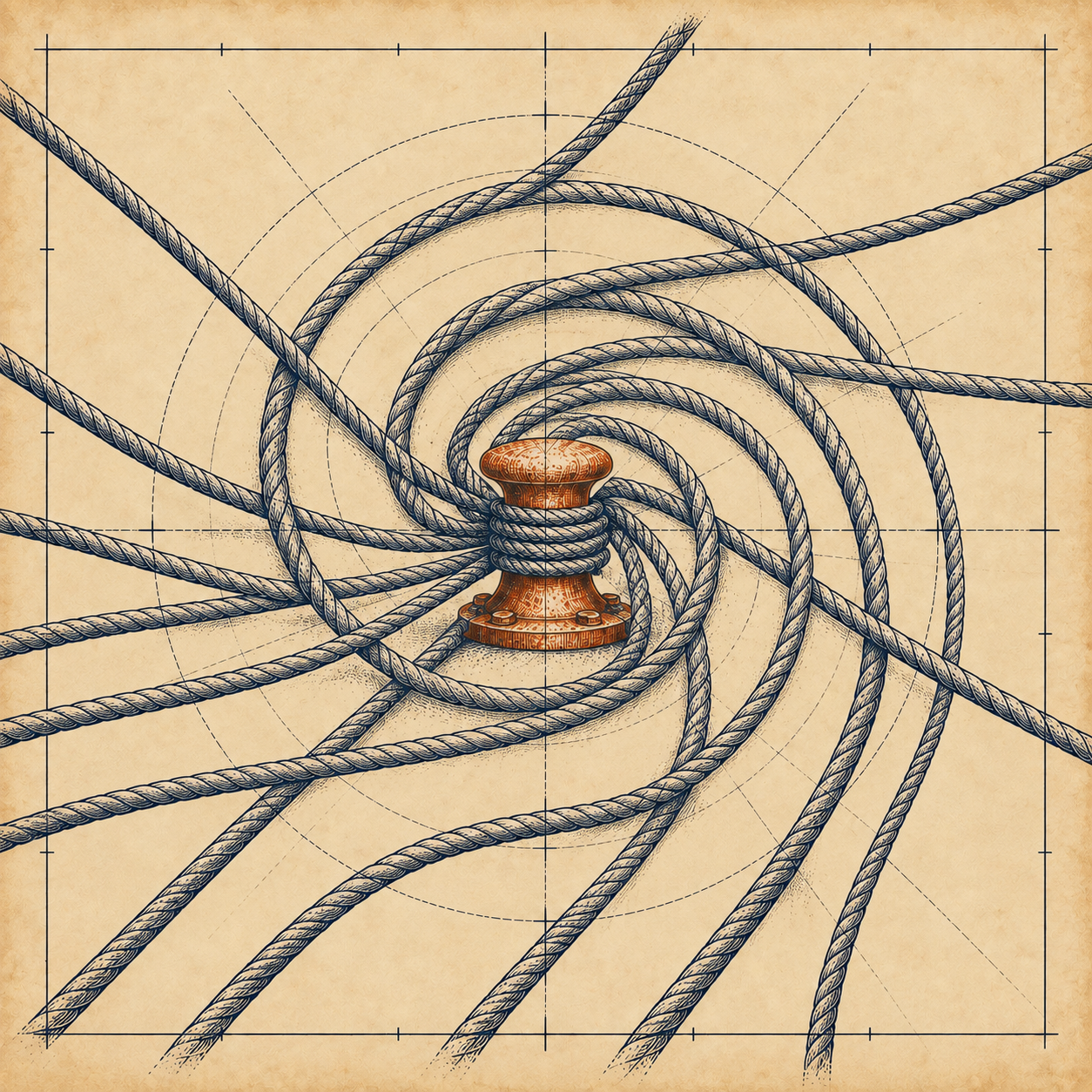
The Dependency Spiral
When capable people keep stepping in to make things work, the organisation can become dependent on the very people holding it together.

The Context Gap
When the people setting direction and the people doing the work are operating with different context, perfectly sensible decisions can pull an organisation in different directions.

The Time Lie
If what you’re postponing is part of what’s making today so difficult, waiting for things to calm down won’t solve it.

The Courage Lie
The organisation may not be short of difficult conversations. It may be having them in all the wrong places.

The Visibility Lie
You can be making completely rational decisions from a picture that isn’t quite real.

The Execution Lie
If you’ve been fixing execution for years and execution still appears to be broken, maybe execution isn’t the problem.

The Design Lie
“We’re different” may be completely true. The danger begins when it becomes an explanation for results your own system is helping to produce.